Protecting Your Restaurant Business From Day One
Opening a restaurant is risky enough without gambling on insurance coverage. Between managing staff, perfecting your menu, and keeping customers happy, insurance might feel like just another box to check. But the wrong coverage—or worse, missing coverage—can shut your doors permanently after a single incident.
Restaurant owners face risks most other businesses don't deal with. You're serving food and alcohol to the public, operating commercial kitchens with high-heat equipment, employing workers in a fast-paced environment, and staying open when other businesses close. Each of those factors creates liability exposure and potential losses that generic business insurance doesn't adequately cover.
Whether you're running a casual seafood spot on the Mississippi Gulf Coast or a fine dining establishment in Louisiana, you need insurance tailored specifically to food service operations. Here's exactly what coverage your restaurant needs and why each piece matters.
General Liability Insurance: Your Foundation Coverage
General liability insurance covers third-party bodily injury and property damage claims. In a restaurant setting, this coverage responds when customers or vendors get injured on your property or when your business operations damage someone else's property.
Common claims scenarios include a customer slipping on a wet floor and breaking an arm, a delivery driver tripping over equipment and injuring their back, or a child pulling a hot plate off a table and suffering burns. Food poisoning claims can also trigger general liability coverage if customers become ill after eating at your restaurant.
Your policy covers legal defense costs even if the claim is frivolous or you're not ultimately found liable. Legal fees alone can reach tens of thousands before a case is resolved, making this coverage valuable even for claims you'll eventually win.
Coverage limits typically start at $1 million per occurrence with a $2 million aggregate, but higher limits are smart if you serve alcohol, host large events, or operate in a high-traffic location. Your landlord or lender might require specific minimum limits as a condition of your lease or loan.
Advertising injury coverage is included in most general liability policies and protects against claims of slander, libel, or copyright infringement in your marketing materials. If a competitor claims your advertising disparages their business or you're accused of using copyrighted images without permission, this coverage responds.
Property Insurance: Protecting Your Physical Assets
Your restaurant's building, equipment, inventory, furniture, and fixtures represent a massive financial investment. Property insurance protects those assets against fire, storms, theft, vandalism, and other covered perils.
Building coverage is essential if you own your restaurant property. Even if you lease your space, your lease likely requires you to carry insurance on any improvements you've made—built-out kitchens, dining room renovations, bar installations, and upgraded finishes all need coverage.
Business personal property covers everything inside your restaurant that isn't permanently attached to the building. Commercial kitchen equipment alone can run $50,000 to $200,000 or more depending on your operation. Add in tables, chairs, dishes, glassware, point-of-sale systems, inventory, and everything else you need to operate, and you're looking at substantial value that needs protection.
Food spoilage coverage is critical in the restaurant business. If your walk-in cooler fails overnight or a power outage during a summer storm leaves you without refrigeration, you could lose thousands of dollars in inventory within hours. Equipment breakdown coverage or a food spoilage endorsement reimburses you for that loss.
Building code or ordinance coverage becomes important if older properties need to be brought up to current code after a covered loss. If fire damages your kitchen and rebuilding requires upgraded electrical systems, fire suppression equipment, or accessibility improvements to meet current codes, this coverage pays the difference.
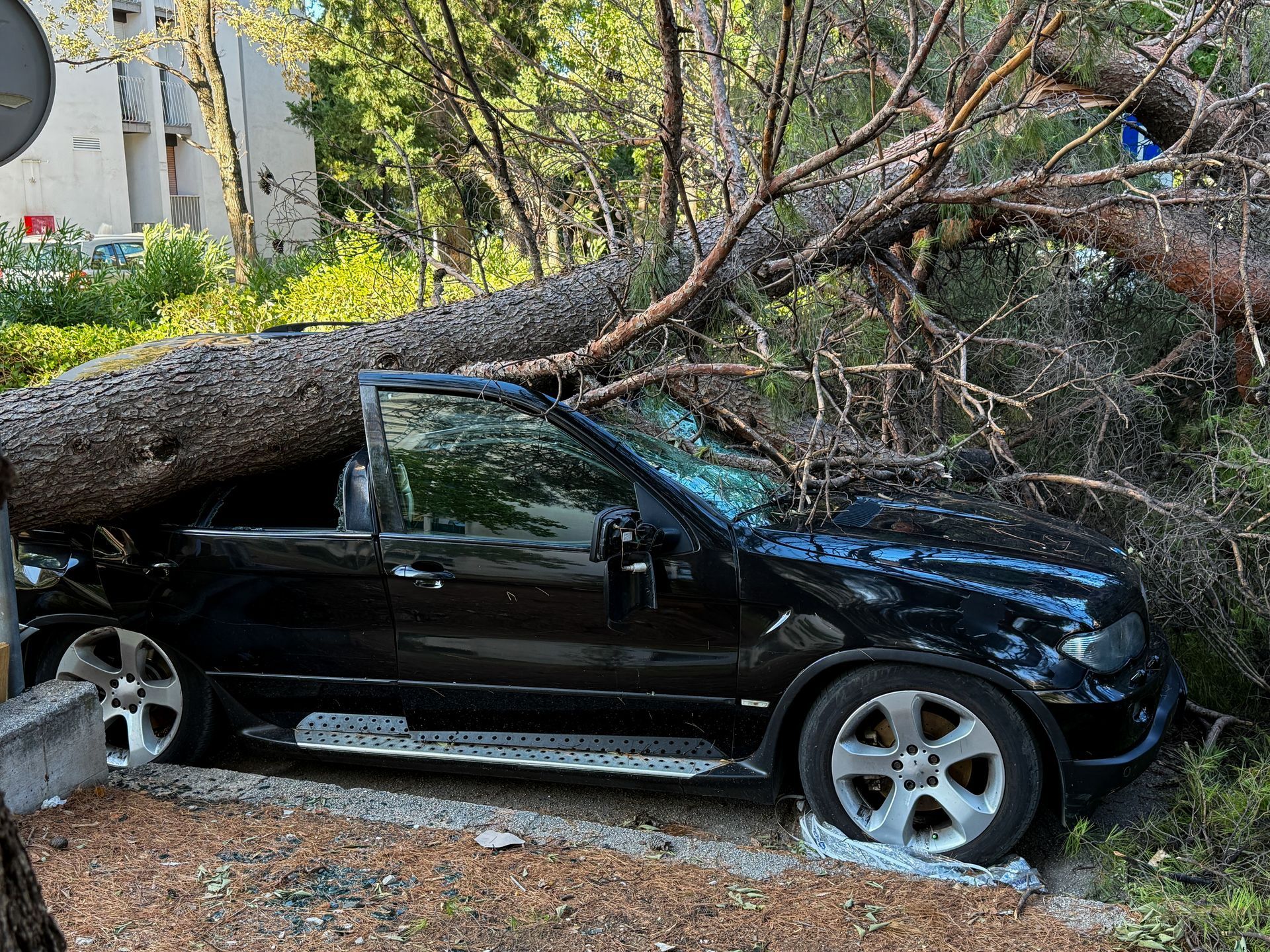
Gulf Coast restaurant owners need to pay special attention to hurricane and flood coverage. Property insurance covers wind damage during hurricanes, but flooding from storm surge or heavy rain requires separate flood insurance. Given that Louisiana and Mississippi both face regular hurricane threats, flood coverage isn't optional for most coastal or low-lying properties.
Workers Compensation Insurance: Legally Required in Most Cases
Louisiana requires workers compensation insurance if you have one or more employees. Mississippi requires it if you have five or more employees. Even if you're below the legal threshold, carrying workers comp is smart financial protection.
Restaurant work is physically demanding and injury-prone. Burns from hot equipment, cuts from knives, slips on wet floors, and back injuries from lifting heavy loads all happen regularly in food service environments. Workers compensation covers medical expenses and lost wages when employees are injured on the job.
The coverage also protects you from lawsuits. When an employee accepts workers comp benefits, they generally can't sue you for the same injury. Without workers comp, an injured employee can file a lawsuit, and your legal costs and potential settlement could far exceed what workers comp would have cost.
Premium costs are based on your payroll and your restaurant's classification code. Fine dining establishments typically have different rates than fast-food operations because of different injury risks. Maintaining a strong safety record and minimizing claims helps keep your premiums lower over time.
What workers comp covers:
Medical expenses: All reasonable and necessary medical treatment related to the work injury, from emergency room visits to surgery and physical therapy.
Lost wages: Typically two-thirds of the employee's average weekly wage while they're unable to work due to their injury.
Disability benefits: Permanent partial or total disability benefits if an injury results in long-term impairment.
Death benefits: Benefits paid to dependents if an employee dies from a work-related injury.
Make sure your workers comp policy accurately reflects your payroll and employee classifications. Misclassifying workers or underreporting payroll might lower your premium in the short term, but it can lead to audits, penalties, and denied claims down the road.
Liquor Liability Insurance: Essential for Bars and Restaurants Serving Alcohol
If you serve, sell, or allow alcohol consumption on your premises, you need liquor liability insurance. This coverage protects you when an intoxicated patron causes injury or property damage to third parties after being served at your establishment.
Why you need separate liquor liability coverage:
General liability policies typically exclude alcohol-related claims. If a customer gets drunk at your restaurant, drives away, and causes an accident, the injured parties can sue you for overserving. Without liquor liability coverage, you're paying legal defense and any settlement or judgment out of pocket.
Louisiana and Mississippi both have dram shop laws that hold establishments liable for serving visibly intoxicated individuals who then cause harm. Even if you follow responsible serving practices, you can still face lawsuits. Liquor liability insurance covers your legal defense and damages up to your policy limits.
Coverage includes:
Third-party bodily injury and property damage caused by an intoxicated patron who was served at your establishment. Legal defense costs for lawsuits alleging overservice or improper serving practices. Settlements and judgments if you're found liable.
Your liquor liability premium depends on your total alcohol sales, not your overall revenue. Higher sales volume means higher premiums, as does staying open late or having a bar-focused rather than restaurant-focused operation. Implementing server training programs and documented responsible service policies can sometimes reduce your rates.
Don't confuse liquor liability with assault and battery coverage. If a drunk patron starts a fight in your restaurant and injures someone, that's typically an assault and battery claim, which requires separate coverage that many general liability policies exclude.
Commercial Auto Insurance: Covering Delivery and Business Vehicles
If your restaurant offers delivery service or you use vehicles for business purposes, you need commercial auto insurance. Personal auto policies exclude business use, and they won't cover accidents that occur while making deliveries or running business errands.
Commercial auto coverage protects vehicles you own, lease, or use for business purposes. If you operate delivery vehicles, catering trucks, or even just use your personal vehicle to pick up supplies, you need appropriate coverage.
Hired and non-owned auto liability is essential even if your restaurant doesn't own vehicles. This coverage protects you when employees use their personal cars for business purposes—picking up supplies, making bank deposits, or delivering orders. If your employee causes an accident while running a business errand, both they and your business can be sued. This coverage protects your business.
For restaurants using third-party delivery services like DoorDash or Uber Eats, those platforms typically provide coverage while their drivers are making deliveries. But if you employ your own delivery drivers using their personal vehicles, you absolutely need hired and non-owned coverage.
Business Interruption Insurance: Protecting Your Income
Your restaurant depends on continuous operations to generate revenue. If a fire, storm, or other covered event forces you to close temporarily, your income stops but your expenses don't. You still have loan payments, property rent, equipment leases, and potentially payroll.
Business interruption insurance (also called business income coverage) replaces lost income when a covered property loss forces you to close or reduces your revenue. The coverage reimburses you for lost profits and helps you cover ongoing expenses until you can fully reopen.
What triggers business interruption coverage:
A covered physical loss to your property that forces suspension or reduction of operations. Fire damage that closes your kitchen for two months qualifies. So does storm damage, vandalism, or equipment failure if those perils are covered under your property policy.
The loss must result from a covered cause of loss under your property insurance. If your policy excludes flood damage and flooding closes your restaurant, business interruption won't respond unless you have flood insurance with business interruption coverage included.
Coverage period:
Your policy specifies a restoration period—the time it reasonably takes to repair or replace damaged property and resume normal operations. This might be weeks or months depending on the severity of the damage and local construction availability.
Extended business income coverage pays for income loss even after you physically reopen if your revenue is still below pre-loss levels. After a major event, it can take time for customer traffic to return to normal levels.
Calculating your coverage need:
Look at your operating expenses and average revenue over the past 12 months. Your business interruption limit should cover several months of lost income and ongoing expenses. Three to six months of coverage is common, but restaurants in hurricane-prone areas might want longer coverage periods given the potential for extended closures after major storms.
At Theall Insurance Agency, we help restaurant owners calculate appropriate business interruption limits based on their specific operation, expenses, and revenue patterns. Underestimating this coverage can leave you scrambling for cash flow during what's already a stressful time.
Employment Practices Liability Insurance: Protecting Against Employee Claims
Employment practices liability insurance (EPLI) covers claims related to employment issues—discrimination, wrongful termination, sexual harassment, retaliation, and wage disputes. The restaurant industry has high turnover and diverse workforces, which can increase exposure to employment-related claims.
Even if you follow employment laws carefully, you can still face lawsuits. Defending against an employment claim can cost $50,000 or more in legal fees, even if you're ultimately vindicated. EPLI covers your defense costs and damages if you're found liable.
Common EPLI claims in restaurants:
Discrimination claims based on race, gender, age, religion, or other protected characteristics. Sexual harassment allegations from staff or management. Wrongful termination claims from employees who believe they were fired illegally. Wage and hour disputes over overtime, tip pooling, or misclassification of employees.
Your general liability policy doesn't cover employment practices claims. EPLI is a separate policy or endorsement that's worth having as soon as you hire employees. The coverage usually includes access to HR resources and legal counsel who can help you avoid claims in the first place.
Cyber Liability Insurance: Protecting Customer and Business Data
If you accept credit card payments, maintain customer data, or process online orders, you're exposed to cyber risks. A data breach affecting customer credit card information can trigger lawsuits, regulatory fines, and notification costs that quickly run into six figures.
Cyber liability insurance covers expenses related to data breaches, cyberattacks, and technology failures. This includes legal fees, notification costs to affected customers, credit monitoring services, regulatory fines, and even cyber extortion payments if you're hit with ransomware.
Point-of-sale systems are frequent targets for hackers. If your system is compromised and customer payment data is stolen, you'll face notification requirements under state laws and potential liability under payment card industry standards. Cyber coverage helps you manage that financial burden.
The coverage also protects against business interruption due to cyber events. If a ransomware attack takes your systems offline and you can't process orders or reservations, you're losing revenue. Cyber business interruption coverage helps replace that lost income.
Umbrella Liability Insurance: Extra Protection When You Need It Most
Umbrella insurance provides additional liability coverage above your general liability, liquor liability, and auto liability policies. If a claim exceeds your underlying policy limits, your umbrella policy kicks in to cover the excess.
Let's say you have $1 million in general liability coverage and face a $2.5 million lawsuit after a severe customer injury. Your general liability pays the first $1 million, and your umbrella policy covers the remaining $1.5 million (up to your umbrella limit).
Why restaurants need umbrella coverage:
Restaurants face serious liability exposure. Severe injuries, multi-party accidents, and alcohol-related claims can easily exceed standard policy limits. Umbrella coverage is relatively affordable compared to the protection it provides—often just a few thousand dollars annually for an additional $1 million to $5 million in coverage.
If you serve alcohol, operate in a high-traffic area, or host large events, umbrella coverage is especially important. A single catastrophic incident can generate claims that dwarf typical policy limits, and your personal assets could be at risk if your business coverage falls short.
Building the Right Insurance Program for Your Restaurant
Generic business insurance packages don't cut it for restaurants. You need coverage designed specifically for food service operations, with limits appropriate for your revenue, location, and risk profile.
We work with restaurant owners across Louisiana and Mississippi to build comprehensive insurance programs that protect against the full range of risks they face. From your first day of operations through years of growth and success, having the right coverage in place means you can focus on running your business instead of worrying about what-ifs.
Don't piece together random policies from different carriers without understanding how they work together. Let us review your operation, identify your exposures, and build a cohesive insurance program that actually protects you when something goes wrong.
Call Theall Insurance Agency or request a quote to discuss your restaurant's insurance needs. We'll walk through your specific operation and create a customized proposal that gives you the protection you need at a price that fits your budget.
Frequently Asked Questions
How much does restaurant insurance cost in Louisiana and Mississippi?
Costs vary widely based on your restaurant size, revenue, number of employees, whether you serve alcohol, and your location. A small cafe might pay $5,000 to $8,000 annually for basic coverage, while a full-service restaurant with liquor sales could pay $15,000 to $30,000 or more. The best way to get accurate pricing is to request quotes based on your specific operation.
Do I need insurance before I open my restaurant?
Yes. Most landlords require proof of insurance before you can take possession of your space, and your general contractor will require coverage during buildout. You should have property, general liability, and workers compensation (if you have employees) in place before you start operations. Some coverage, like liquor liability, can be added once you receive your liquor license.
What happens if a customer gets food poisoning at my restaurant?
Food poisoning claims are typically covered under your general liability policy as bodily injury caused by your business operations. Your insurer will investigate the claim, provide legal defense if necessary, and pay covered damages. Having proper food handling procedures documented can help defend against these claims.
Does my restaurant insurance cover hurricanes and flooding?
Your property insurance covers wind damage from hurricanes, but flooding requires separate flood insurance through the National Flood Insurance Program or a private flood carrier. Both Louisiana and Mississippi face regular hurricane threats, so flood coverage is essential for most restaurants, especially in coastal or low-lying areas.
Can I use my personal auto insurance for restaurant deliveries?
No. Personal auto policies exclude business use, including deliveries. If you employ delivery drivers using their own vehicles, you need hired and non-owned auto liability coverage. If your restaurant owns delivery vehicles, you need a commercial auto policy covering those vehicles.