Understanding the Critical Difference Between Flood and Homeowners Coverage
Here's something that surprises a lot of Louisiana homeowners: your homeowners insurance doesn't cover flooding. Not even a little bit.
After heavy rainfall or a storm surge, many people file claims only to discover their water damage isn't covered. That's because standard homeowners policies specifically exclude flood-related losses. And in a state where we deal with hurricanes, tropical storms, and sudden downpours that can overwhelm drainage systems, this coverage gap can be financially devastating.
The difference between these two policies isn't just technical insurance jargon. It's the line between financial protection and paying tens of thousands out of pocket to repair your home. Let's break down exactly what each policy covers, what it doesn't, and why Louisiana homeowners need both.
What Your Homeowners Insurance Actually Covers
Your homeowners policy protects against a wide range of perils, but water damage coverage is where things get specific.
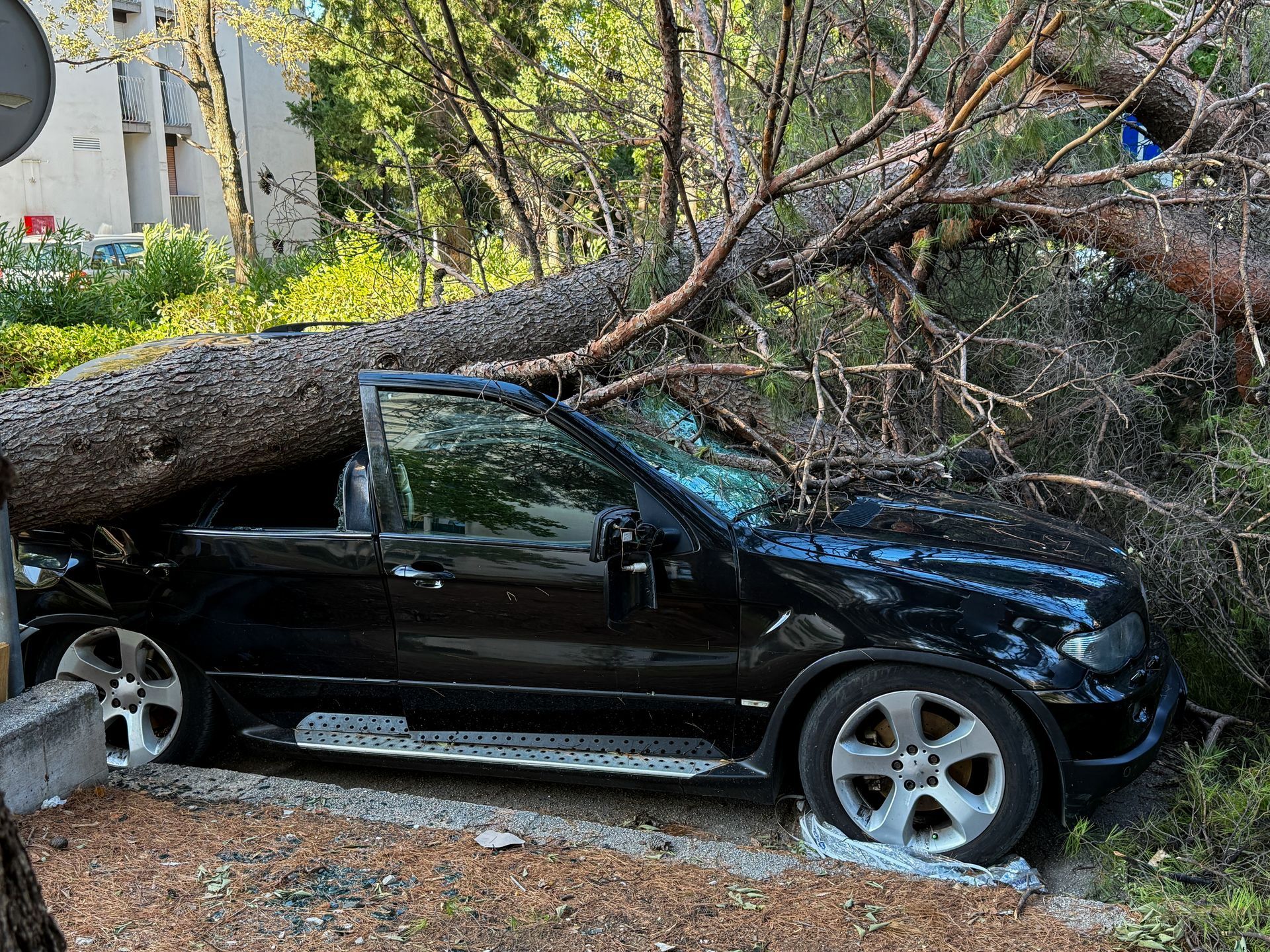
Covered water damage scenarios typically include sudden and accidental events like a burst pipe, a malfunctioning water heater, or roof damage from wind that lets rain inside. If a tree falls on your roof during a storm and water pours in through the hole, that's covered. If your washing machine hose breaks and floods your laundry room, you're protected.
Wind-driven rain is generally covered under your homeowners policy, as long as the wind first damages your home's exterior. The key factor is that the damage stems from wind, which is a covered peril in your policy.
Other standard coverages in your homeowners policy protect against fire, lightning, hail, theft, vandalism, and liability if someone gets injured on your property. You'll also have coverage for your personal belongings and additional living expenses if your home becomes uninhabitable while repairs are being made.
But here's what's excluded: any water that comes from the ground up or from overflowing bodies of water. That's where flood insurance comes in.
How Flood Insurance Works in Louisiana
Flood insurance is a separate policy that covers what homeowners insurance won't. Most flood policies come through the National Flood Insurance Program (NFIP), though private flood insurance options have become more available in recent years.
Ground-level water damage is the core of flood coverage. If water from heavy rain accumulates on the ground and enters your home, that's a flood. If a nearby bayou, river, or Lake Pontchartrain overflows and water reaches your property, that's a flood. If storm surge from a hurricane pushes water inland and into your neighborhood, that's definitely a flood.
What flood insurance covers:
Building coverage: Protects your home's structure, including the foundation, electrical and plumbing systems, HVAC equipment, built-in appliances, and permanently installed carpeting. The maximum coverage through NFIP is $250,000 for your dwelling.
Contents coverage: This is separate from building coverage and protects your personal belongings like furniture, clothing, electronics, and portable appliances. You need to purchase this separately, and it covers up to $100,000 through NFIP.
What flood insurance doesn't cover:
Flood policies don't cover temporary living expenses if you need to evacuate. They won't pay for landscaping, swimming pools, fences, or detached structures like sheds (though private flood policies sometimes offer more comprehensive coverage). Currency, precious metals, and valuable papers aren't covered either.
There's also a waiting period. When you purchase a new flood policy, coverage doesn't start immediately. You'll typically wait 30 days before your policy takes effect, so you can't buy flood insurance when a hurricane is already in the forecast and expect immediate protection.
Real Scenarios: Which Policy Pays for What?
Let's walk through some common Louisiana weather events and see which policy responds.
Hurricane damage: A Category 2 hurricane hits the coast. Wind tears shingles off your roof, rain comes through the damaged roof and ruins your ceiling and floors, and storm surge floods your first floor with three feet of water.
Your homeowners policy covers the wind damage to the roof and the water damage that resulted from the roof being compromised. Your flood insurance covers the storm surge damage to your first floor, foundation, and any belongings damaged by the rising water.
Heavy thunderstorm: A severe thunderstorm dumps six inches of rain in two hours. Water overwhelms the street drains, backs up, and flows into your home through the garage and ground-level windows.
That's flood damage, even though it came from rain rather than a named storm. Your homeowners policy won't cover it because the water came from the ground level, not through a roof or window damaged by wind. Your flood policy handles this claim.
Plumbing failure during a storm: During heavy rain, your water heater fails and floods your utility room with 40 gallons of water.
Your homeowners insurance covers this because it's a sudden mechanical failure, not flooding from outside water sources. The rain happening at the same time is just a coincidence.
Ice maker leak: Your refrigerator's ice maker line develops a slow leak that you don't notice for weeks. Water damage spreads under your kitchen floor and into adjacent rooms.
This is tricky. If the leak was sudden and you discovered it quickly, your homeowners policy might cover it. If it's been leaking slowly for an extended period, it could be considered gradual damage or maintenance-related, which policies typically exclude. This is one scenario where documentation and timing matter.
Why Louisiana's Geography Makes Both Policies Essential
Louisiana sits in one of the most flood-prone regions in the country. We're surrounded by water, much of our land sits at or below sea level, and we're in the direct path of Gulf hurricanes.
About 98% of Louisiana parishes have experienced flood events severe enough to warrant federal disaster declarations. Even areas outside designated flood zones flood with surprising regularity. The phrase "100-year flood" doesn't mean it only happens once a century—it means there's a 1% chance each year, which translates to a 26% chance over the life of a 30-year mortgage.
If you're required to have flood insurance because you're in a high-risk flood zone and have a federally backed mortgage, you already know this. But plenty of Louisiana homes outside those zones flood too. In fact, more than 20% of flood insurance claims come from properties in low-to-moderate risk areas.
At Theall Insurance Agency, we've seen too many families face financial hardship because they assumed their homeowners policy covered all water damage. The reality is that both policies work together to provide complete protection against the weather-related risks Louisiana homeowners face every year.
Evaluating Your Coverage Needs
Start by understanding your flood risk. FEMA's flood maps show risk zones, but they're not always current and don't account for recent development, improved drainage, or local conditions that affect how water moves through your area during heavy rain.
Consider these factors:
Your elevation relative to surrounding properties matters. Even if you're not near a major body of water, being in a low spot means water flows toward your home during heavy rain. New construction nearby can change drainage patterns and increase your risk even if you've never flooded before.
Your home's age and construction also play a role. Older homes might have outdated drainage systems or foundation issues that make flooding more likely. Homes with basements or ground-level living areas have more vulnerable square footage.
Your mortgage lender's requirements are mandatory if you're in a high-risk flood zone. But just because flood insurance isn't required doesn't mean you don't need it. Many Louisiana homeowners who've experienced flooding weren't in required zones.
The cost of flood insurance varies widely based on your specific risk factors, but it's almost always less expensive than paying for flood damage out of pocket. A foot of water in your home can cause $25,000 or more in damage. That's years of premium payments.
How to Get Both Coverages Right
Your homeowners insurance should include adequate dwelling coverage to rebuild your home at today's construction costs, not just your home's market value. Make sure you understand your deductible and whether you have replacement cost or actual cash value coverage on your contents.
For flood insurance, building and contents coverage are separate. You need to purchase both if you want full protection. Building coverage is typically required by lenders, but contents coverage is optional—which means many people skip it and later regret that decision when their furniture and belongings are destroyed.
Review your policies annually. Your home's value changes, construction costs increase, and your personal belongings accumulate over time. What was adequate coverage five years ago might leave you underinsured today.
Document your home and belongings with photos or video. After a disaster, you'll need to prove what you owned and its condition. A visual inventory makes the claims process much smoother and helps ensure you receive the full benefit of your coverage.
Common Misconceptions About Flood Coverage
"I'm not in a flood zone, so I don't need flood insurance." Flood zones indicate high-risk areas, but flooding happens outside those zones all the time. One heavy rainstorm with poor drainage can flood a home anywhere.
"Federal disaster assistance will cover me if I flood." Maybe, but probably not enough. Federal disaster assistance usually comes as a loan that you have to pay back, and it rarely covers your full losses. The average FEMA disaster assistance payment is around $5,000—enough to help, but nowhere near enough to fully repair a flooded home.
"Flood insurance is too expensive." Policies outside high-risk zones can cost a few hundred dollars a year. Even in high-risk areas, the premium is far less than the out-of-pocket cost of flood damage. There are also private flood insurance options that sometimes offer competitive rates compared to NFIP.
"My homeowners policy has water damage coverage, so I'm protected." Water damage coverage in a homeowners policy refers to specific types of sudden, accidental water damage—not flooding. The exclusions are clearly spelled out in your policy, but they're easy to misunderstand if you don't read carefully.
Making Sure You're Covered Before the Next Storm
Louisiana weather doesn't give much warning. Hurricane season runs June through November, but heavy rain and flood risk exist year-round. The time to review your coverage is now, before you're watching a tropical system develop in the Gulf.
We work with multiple insurance carriers to find the right combination of homeowners and flood coverage for your situation. Whether you need to add flood insurance for the first time, increase your coverage limits, or just want a second opinion on your current policies, we can walk you through your options.
Don't wait until water is pooling in your yard to wonder whether you're covered. Call Theall Insurance Agency or request a quote online to review both your homeowners and flood insurance and make sure there aren't any dangerous gaps in your protection.
Frequently Asked Questions
Does homeowners insurance cover any type of flooding in Louisiana?
No, standard homeowners policies specifically exclude flood damage regardless of the cause. Even if your home floods during a covered event like a hurricane, the flooding itself requires separate flood insurance. Your homeowners policy will cover wind damage and water that enters through wind-damaged openings, but not water that rises from the ground.
How much does flood insurance cost in Louisiana?
The cost varies significantly based on your flood zone, elevation, home age, and coverage amounts. Properties in low-to-moderate risk zones might pay $400-$600 annually, while high-risk areas can range from $1,500 to several thousand dollars. Private flood insurance can sometimes offer competitive rates, and there may be discounts available if your community participates in FEMA's Community Rating System.
Can I buy flood insurance right before a hurricane?
Technically yes, but it won't help you. Flood insurance has a 30-day waiting period before coverage takes effect, so you can't purchase a policy when a storm is already threatening and expect immediate protection. The only exception is if you're buying flood insurance as a requirement for a new mortgage closing.
Do I need flood insurance if I paid off my mortgage?
Legally, no—lenders require flood insurance, but once your home is paid off, that requirement disappears. Practically, though, you're taking a huge financial risk by dropping flood coverage in Louisiana. Your mortgage company required it because flooding is a genuine threat to their investment. That threat doesn't disappear just because you own the home outright.
What should I do if both my homeowners and flood insurance might apply to the same damage?
Document everything thoroughly and file claims with both insurers. They'll coordinate to determine which policy covers what aspects of the damage. Wind and rain damage through a compromised roof typically goes to homeowners, while rising water damage goes to flood insurance. Your insurance agent can help you navigate the process and make sure you're filing correctly with both carriers.